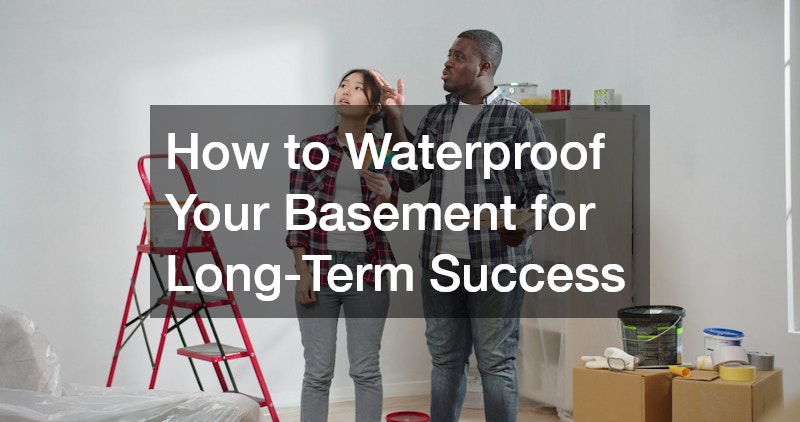
A basement is often the most underutilized area of a home, frequently relegated to a dark storage space for holiday decorations or forgotten gym equipment. However, the potential for a basement to become a vibrant living area, a professional home office, or a high-end cinema is immense. The primary barrier standing between a homeowner and this vision is moisture. Because basements are nestled within the earth, they are constantly subjected to hydrostatic pressure, varying water tables, and the relentless pull of gravity. Without a comprehensive waterproofing strategy, even the most expensive remodel is a ticking time bomb.
True waterproofing is not a single product or a quick weekend project; it is a multi-layered defensive strategy. It requires looking at the home as a complete system where the roof, walls, yard, and foundation all work in concert to shed water. Ignoring a small damp spot today can lead to catastrophic structural failure, toxic mold colonies, and the loss of thousands of dollars in interior finishes tomorrow.
Assessing the Structural Integrity of Your Below-Grade Walls

Before you can even think about aesthetic upgrades, you must evaluate the skeleton of your basement. Concrete and cinder block walls are strong under vertical loads, but they can be vulnerable to lateral pressure from saturated soil. If you notice horizontal cracks or significant bowing, the integrity of your entire house could be at risk. These symptoms suggest that the earth outside is pushing harder than your walls can push back, a problem that paint or surface sealants cannot fix.
In these scenarios, your first call should be to an experienced foundation repair company. These specialists can diagnose the root cause of the shift, whether it is soil expansion or a sinking footing. By installing steel I-beams, wall anchors, or carbon fiber reinforcement strips, they provide the structural stability necessary to prevent further movement. Once the walls are stabilized, you have a solid canvas upon which to build your waterproofing layers.
Signs of Structural Distress
- Horizontal cracks running along mortar lines.
- Stair-step cracking in masonry blocks.
- Visible leaning or bowing of the interior walls.
- Doors or windows on the first floor that suddenly stick or fail to close properly.
Diverting Water Through Major Exterior Earthworks
The most effective way to keep a basement dry is to prevent water from ever touching the foundation in the first place. This is often referred to as positive-side waterproofing. It involves managing the water table around the perimeter of the footings. If your home was built in an area with high clay content or a high water table, the soil can hold onto moisture like a sponge, keeping your basement walls in a state of constant dampness.
To combat this, you may need to hire professional excavating contractors to dig down to the footer of your home. This process allows for the installation of a perforated drain pipe, often called a French drain, which sits in a bed of gravel. This system collects groundwater before it can press against your walls and directs it toward a sump pump or a gravity-fed exit point. While this is one of the more invasive parts of a remodel, it is the only way to truly manage heavy groundwater.
Managing Waste and Stormwater Infrastructure
While we often focus on the water coming from the sky or the soil, we must not forget the water traveling through the pipes beneath our feet. Modern homes have a complex network of drainage systems intended to whisk waste and rainwater away. If these systems are neglected, they can become a primary source of basement flooding. A collapsed pipe or a massive root intrusion can cause a backup that sends gallons of water into your finished space in minutes.
Before finalizing your basement plans, it is wise to invest in professional sewer services to perform a lateral line inspection. Using high-resolution cameras, these technicians can identify cracks, offsets, or blockages in the pipes that lead to the municipal main. Replacing or relining these pipes before you install new flooring is a proactive step that protects your investment from the inside out. This ensures that your drainage system is just as robust as your waterproofed walls.
Shaping the Grade to Shield Your Foundation
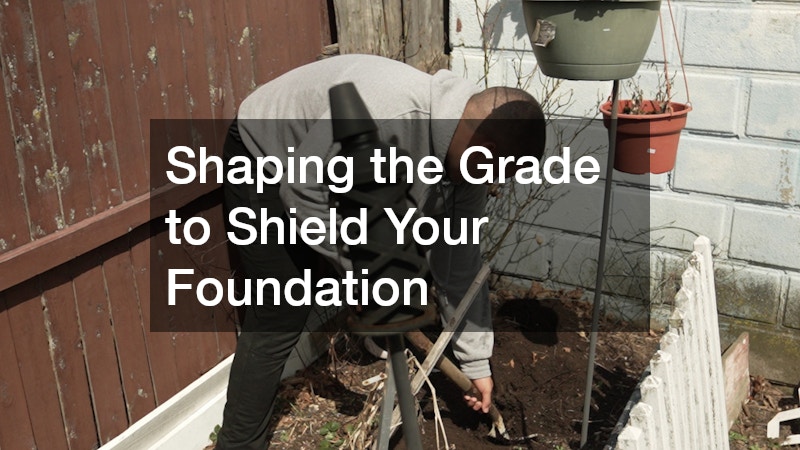
Surface water management is the simplest and often most overlooked aspect of waterproofing. Every time it rains, thousands of gallons of water fall onto your roof and are funneled through your gutters. If your yard is not properly sloped, that water sits at the base of your house. Ideally, the ground should slope away from the foundation at a rate of at least one inch per foot for the first six to ten feet.
A qualified landscaping contractor can evaluate the topography of your lot to identify “low spots” where water tends to collect. By adding clean fill dirt and compacting it correctly, they can create a grade that encourages water to move away from the structure. They can also install catch basins or dry wells to handle the volume of water coming from your downspouts. This topographical correction is your first line of defense against surface saturation.
Using Structural Hardscape to Control Soil Erosion
On properties with significant elevation changes, simple grading might not be enough to hold back the tide. When your home is built into a hillside, the upper side of the house acts as a dam for all the water running down the slope. This creates immense pressure and can lead to mudslides or localized flooding against your basement windows. In these cases, you need a more permanent solution to hold the earth in place.
Utilizing professional retaining wall services can help you terrace the landscape and create a buffer zone. These walls are engineered to manage the weight of the soil and include their own internal drainage systems to bleed off hydrostatic pressure. By breaking up the slope, you reduce the velocity of runoff and keep the soil around your foundation much drier. This hardscaping serves both a functional purpose for waterproofing and an aesthetic purpose for your curb appeal.
Updating the Home Envelope to Prevent Moisture Seepage
Water is persistent and can enter the basement through the “envelope” of the house above the ground level. If your exterior cladding is cracked or if the flashing around your windows is failing, water can seep behind the facade. This moisture then travels down the interior of the wall cavity, eventually pooling on the basement floor. Many homeowners mistake this for a foundation leak when it is actually a siding failure.
Consulting with reputable siding contractors can help you identify gaps in your home’s weather barrier. Upgrading to modern materials with built-in rain screens ensures that any water that gets past the exterior can drain out safely rather than soaking into the sheathing. Properly installed siding and trim act as the primary umbrella for your home, keeping the underlying structure dry and protected from the elements.
Critical Exterior Checkpoints
- Ensure gutters are clear and downspouts extend at least five feet from the wall.
- Check window wells for debris and ensure they have functional covers.
- Inspect the caulking around all exterior penetrations, like vents and pipes.
- Verify that the flashing at the “drip edge” of the roof is properly overlapping.
Reinforcing Concrete Porosity from the Inside
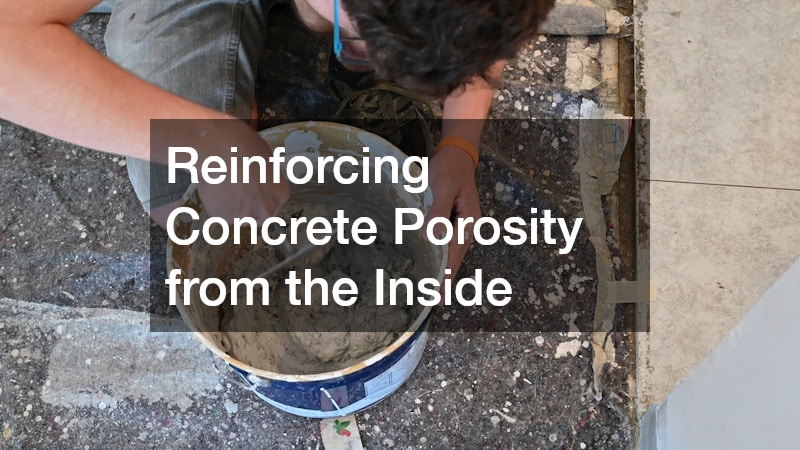
Concrete is essentially a rigid, mineral sponge filled with a network of tiny capillaries, hairline cracks, and air pockets formed during the curing process. Through a phenomenon known as capillary action, these microscopic “straws” can actually wick liquid moisture from the damp earth outside and pull it through the wall or floor. Once that moisture reaches the interior surface, it evaporates, releasing a constant stream of water vapor into your living space. This invisible “vapor drive” is the primary reason many basements feel perpetually humid or smell musty, even when there are no visible puddles or active leaks to be found. To stop this transmission at the molecular level, the concrete itself must be structurally sealed.
Consulting with a local concrete contractor is often the most effective way to address this internal porosity. These professionals can apply specialized penetrating sealers, often silicate-based, that do not simply sit on the surface but dive deep into the concrete’s matrix. Once applied, these sealers undergo a chemical reaction with the free lime and calcium hydroxide present in the slab, growing insoluble silicate crystals that physically plug the pores. Unlike topical waterproof paints or “dry-lock” products that can bubble, flake, and peel off when hydrostatic pressure builds up behind them, these penetrating treatments become a permanent, integral part of the concrete. This deep-level fortification is an essential step if you plan on installing moisture-sensitive flooring like wood, laminate, or luxury vinyl, as it prevents the trapped vapor from warping your expensive new finishes from the bottom up.
Smoothing Surfaces for Better Sealant Adhesion
If you decide to use a topical vapor barrier or a high-performance coating, the condition of the concrete surface is paramount. Most old basements have layers of dust, oil, or old adhesive that will prevent new sealants from sticking. If the sealer cannot bond to the substrate, it will eventually delaminate, allowing moisture to bypass the barrier. Preparing the floor is just as important as the application of the product itself.
Renting or hiring professionals with industrial concrete polishers can solve this issue by grinding away the top layer of “laitance” or old contaminants. This process levels out high spots and leaves the concrete with a consistent, open profile that is perfect for bonding. A smooth, polished floor also makes it much easier to detect any new cracks that might form over time, allowing for quick repairs before they become major leaks.
Choosing High-Performance Tile for Damp Environments
Once your waterproofing systems are in place, your choice of finish materials will determine how well the space handles the test of time. In a basement, you should always assume that there is a possibility of minor moisture. Therefore, organic materials like traditional hardwood or standard carpet padding should be avoided. Instead, look for materials that are chemically inert and do not support the growth of mold or mildew.
Installing porcelain flooring is widely considered the gold standard for basement renovations. Porcelain is fired at much higher temperatures than standard ceramic, making it extremely dense and nearly waterproof. Because it does not absorb moisture, it will not swell or crack if the humidity levels fluctuate. Furthermore, it is incredibly durable and can withstand the heavy traffic of a busy family room or play area.
Incorporating Resilient Materials for High-Traffic Zones

For those who want a softer feel underfoot—perhaps for a home gym or a children’s play zone—there are modern alternatives that offer both comfort and moisture resistance. While traditional rubber mats were once purely functional and unattractive, the market has evolved to offer stylish options that mimic stone or wood. These materials provide excellent thermal insulation and sound dampening, which are both common needs in a basement.
Shopping at a dedicated rubber flooring store will give you access to interlocking tiles or rolls that are designed specifically for below-grade use. These products are often made from recycled materials and are naturally resistant to water damage. Most importantly, they can be installed as a “floating” floor, which allows the concrete slab beneath to breathe. This prevents the buildup of hydrostatic pressure that can sometimes occur when a floor is completely glued down.
Waterproofing your basement is an investment in the longevity and health of your home. By addressing the structural needs first and then moving to exterior management, you create a dry environment that allows your creative vision to flourish. It is a process that requires patience and the right expertise, but the reward is a significant increase in your home’s usable square footage and overall value.
Once the heavy lifting is done, the maintenance becomes much simpler. Regular inspections of your gutters, sump pump, and exterior grading will ensure that your defenses remain strong. By choosing moisture-resistant finishes like porcelain or rubber, you add an extra layer of insurance against the unexpected. A dry basement is not just a room; it is a foundation for your family’s future memories.